Galactic Racer Rivalries: Observe the Pilot Before Staking a Token
Prepare a Galactic Racer rivalry by reading the stake, observing the opponent and separating optional contact from the contract and Tour you need to finish.
By Star Wars Galactic Racer Guide editorial team Last updated
Read the rivalry stake before accepting it, then judge the opponent from more than one encounter. The official Rivals and Backers explanation says campaign decisions can escalate another pilot’s rivalry and warns you to know their racing style before putting a League Token on the line. The useful preparation is observation and a race plan, not a guessed friendship meter or a universal best rival.
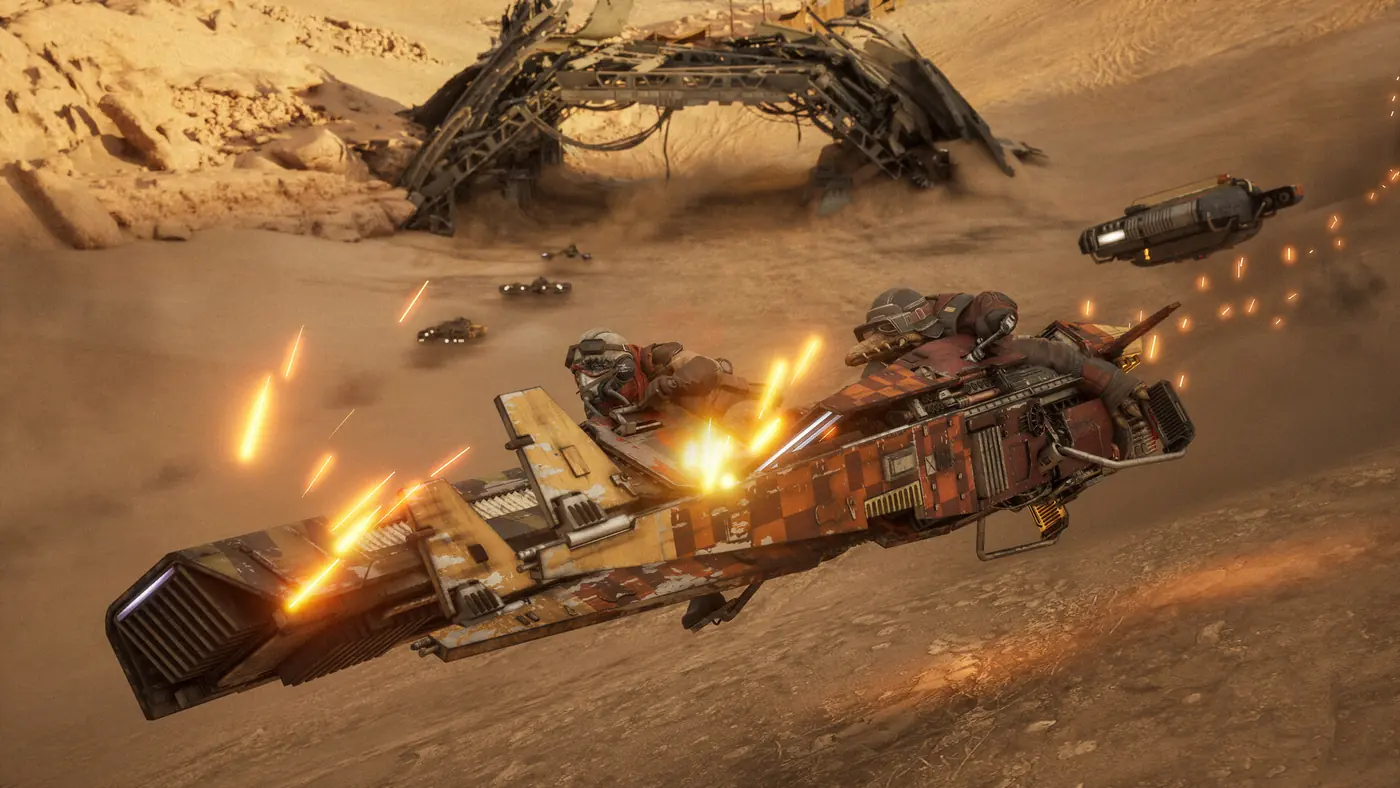
Separate the antagonist from the rivalry offered
Kestar Bool is the campaign’s main antagonist. That does not mean he is the only pilot who can become a serious rival. The official explanation also uses Biddy Blas as an example of a rivalry developing during a run. Treat that as an illustration of the system, not a requirement to choose Biddy or a claim that the character is the easiest target.
Read the actual offer and the consequences displayed in your campaign. Note the pilot, the stake and any event condition. Do not replace that information with a generic claim that every contact immediately triggers a rivalry. The official description says certain decisions can escalate one; it does not publish a complete trigger table.
For the cast’s story roles, use the character reference. For the League Token’s role in entering a Tour, use the Backer guide. Those details help you understand the decision before you enter the race.
Observe without turning the observation into another wager
Watch where the pilot changes line, how the vehicle approaches bends and what happens when traffic constrains the exit. Choose a section you know well enough that your own route uncertainty does not consume all your attention.
Do not deliberately sacrifice a whole event merely to follow. Observe when the situation gives you room, and keep the current objective in view. A useful note is specific: the opponent moved inside when the outer line became blocked. A statement that the pilot always attacks the inside is much stronger and may not survive the next race.
Compare several encounters before drawing a pattern. One collision could reflect a crowded road, an obstacle or your own approach. Rival behavior is a decision input, not a deterministic script established by a single hit.
Check what you can afford to risk
The official explanation specifically identifies a League Token as a possible rivalry stake. Read the current offer to understand what you are committing. A token used for Tour participation and a token risked in a rivalry are related resources with different purposes.
Before adding the wager, review the current contract and your preparation for the next event. Can you perform the Backer’s requested action? Is the vehicle in a condition you understand? Do you know the route well enough to respond to the rival without losing the objective? If several answers are uncertain, the rivalry adds another problem to solve at once.
This is a recommendation to avoid unnecessary uncertainty, not a promise that a particular choice guarantees Token replacement. If the campaign progresses differently after a result, follow the objective now shown. Do not rely on an invented immediate recovery loop.
Plan the road after contact
An attack should leave you able to complete the next section. Identify the next bend and an alternative line before trying to displace the rival. A successful impact followed by a wall can defeat the purpose of the move even if it looked decisive.
Use the shunt guide for execution. Use the drafting guide if following the rival hides your reference point. Do not interpret a named rivalry as permission to remain blind in the wake until the turn has already arrived.
If the rival closes the opening you intended to use, reassess rather than forcing the original plan. Keeping the craft on a usable line preserves options for the next section. Retaliation is not automatically the best route to the result you want.
Keep contract execution separate
A Backer contract can ask for a maneuver that competes with an aggressive line. For example, the official Vranki introduction uses crowd-pleasing jumps. If your current contract has such a condition, know where and how you intend to attempt it before adding rivalry contact.
Read the jump-contract guide when that is the actual task. It does not assert that every jump must succeed or invent how the game scores a crash. The contract’s wording and result determine whether your action counted.
When two goals compete for the same approach, decide which one has priority. Chasing both without a plan can make the final result hard to diagnose. You may fail the maneuver because you followed the rival’s line rather than your own, then mistakenly blame the vehicle or contract.
Recognize when the problem is your preparation
If the same route boundary catches you alone and beside the rival, practice the route. If a technical hitch interrupts unrelated events, use the PC troubleshooting order. If the craft behaves differently after an update, inspect customization before treating the opponent as the cause.
Similarly, a new class changes the comparison. The official class descriptions give landspeeders, bikes and skim speeders different handling approaches. Practice the class before staking a resource on an unfamiliar vehicle-and-rival combination. Use the speeder reference for that decision.
Do not diagnose cheating or hidden bonuses from an isolated overtake. Record the circumstances and use the game’s available reporting route if there is evidence of misconduct. A lost race alone does not establish why the other craft was faster.
Review the decision, not only the finish
Afterward, compare the displayed result with the stake you accepted. Then ask whether the preparation was sound: did you understand the offer, recognize the route, and leave yourself choices when the rival moved? A win does not validate every risky input, and a loss can still reveal a clear correction.
Keep one useful adjustment for the next attempt. Improve the approach if contact left you off line, practice the contract if attention was divided, or observe the rival longer if you acted on a weak assumption. Rivalry adds stakes to a race; good preparation makes those stakes an informed choice.