Galactic Racer Speeder Classes: Landspeeders, Bikes and Skim Speeders
Compare the three speeder classes, practice Drift, Kinetic Burst and Knife Edge, and choose changes from repeatable handling problems rather than fake rankings.
By Star Wars Galactic Racer Guide editorial team Last updated
Landspeeders, speeder bikes and skim speeders race against one another. They offer different handling approaches: landspeeders emphasize a resilient drifting platform, bikes combine agility with Kinetic Burst, and skim speeders use flowing lines and Knife Edge. Choose the class whose behavior you can use consistently before chasing a theoretical fastest build.
Compare the problem each class asks you to solve
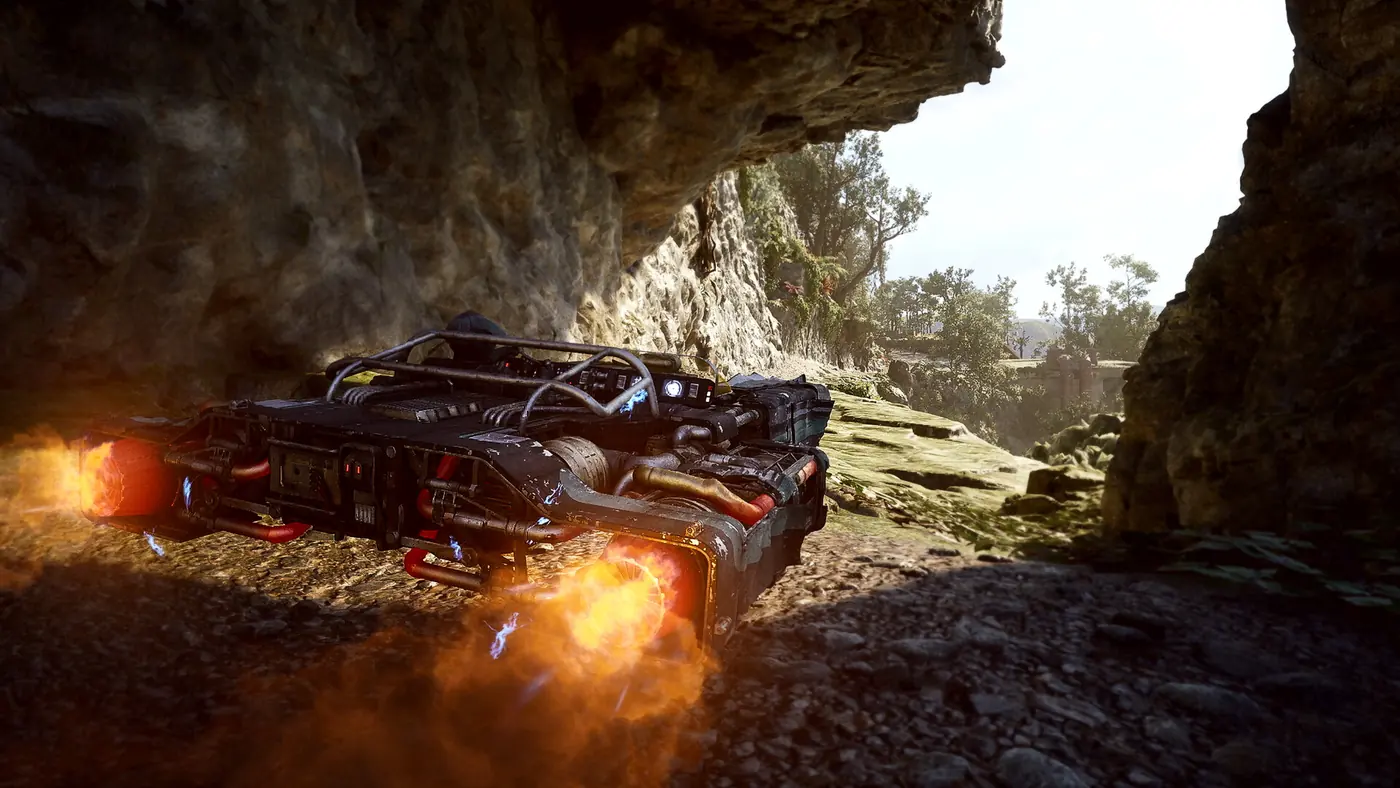
The official launch description calls landspeeders the tanks of the track, with acceleration, top speed and resilience. Bikes are fast, agile and fragile; their Kinetic Burst stores braking energy and releases it as acceleration. Skim speeders sit between the two and ask the pilot to master Knife Edge. Those descriptions establish differences in character. They do not provide a universal leaderboard ranking or numerical damage resistance.
| Class | Start your practice with | Watch for |
|---|---|---|
| Landspeeder | A predictable approach, drift and exit | Overcommitting because the craft feels resilient |
| Speeder bike | Braking into a bend and a controlled exit | Entering traffic with no recovery room |
| Skim speeder | One flowing bend with a visible exit | Forcing a committed line after the exit becomes blocked |
Podracers are separate. The launch explanation says their size and speed are the reason they do not share the speeder grid. Use the podracer guide for that transition instead of treating a pod as the next upgrade to the same class.
Landspeeders: learn the line before exploiting resilience
A landspeeder is a sensible comparison baseline when you are still learning a course. The purpose is to get a readable, repeatable attempt. Drive a familiar event, approach the same corner from the same side, and notice when the craft begins rotating relative to your steering input. Then compare the exit rather than judging only how dramatic the drift looked.
Avoid using the class description as permission to hit every wall. Resilience does not make a collision free: it can still spoil the line, create another contact or leave you poorly positioned for the next bend. If a run contains several impacts, remove the first recurring one before spending the next session on a new class.
When the drift feels too late, reduce the approach speed and choose an earlier visual reference. When it begins too early, keep the reference fixed and adjust only the input timing. Do not change the vehicle, boost habit and corner approach simultaneously. A clean exit gives you a clearer comparison than a finish time full of unrelated crashes.
Bikes: separate braking from panic
Kinetic Burst is a class capability, not simply another name for every boost effect. The official explanation ties it to braking and acceleration on exit. Practice that relationship in a low-pressure event before trying to exploit it while surrounded by rivals.
Select one bend with enough space afterward to judge the result. Make the approach deliberately repeatable. Brake to establish control, steer through the turn and observe the exit response. Use the control prompts in your own input layout; this guide does not prescribe a universal button for every device or preset.
If you keep hitting the inside edge, the answer is not automatically more aggression. Review the approach and where the nose points before the exit. If you leave the turn cleanly but immediately strike another racer, the technique may be sound and the traffic decision poor. Those require different changes. A fragile class makes that distinction especially important because a recovery maneuver can be more expensive than the original mistake.
Skim speeders: commit only while the line remains available
Knife Edge belongs to the skim speeder’s handling identity. Start on a sweeping bend where you can see the exit. Learn how the craft follows your intended path before combining the maneuver with a narrow gap or an overtaking attempt.
Use the same event for several attempts. First aim for a clean entry and exit with no contact. Then compare how much steering correction you need. Repeated emergency corrections are a signal that the chosen line is not yet reliable, even if one attempt happened to be fast.
In traffic, the line can disappear after you commit. Look beyond the craft directly ahead and leave room to abandon the move. The fact that a vehicle can describe a flowing path does not mean every bend should be taken with maximum commitment. This is a risk decision, not a claim that Knife Edge prevents contact or ignores terrain.
Build changes should follow a diagnosis
Before buying or equipping a change, name the recurring problem. Are you losing control alone, being displaced in a pack, struggling to exit bends or repeatedly damaging the craft before the event’s decisive section? Read the effect shown for the actual part or ability you can select. A recognizable label from another guide is less useful than the description in your build.
For campaign decisions, use the first Tour preparation guide. For contact, use shunts and takedowns. If you want to work on boost management specifically, use the boost and heat practice plan. Keeping the questions separate makes it easier to tell whether the class or your execution needs attention.
After an update, inspect the equipped craft before drawing a performance conclusion. The October 22 update warned about campaign customization resetting. A different setup is an obvious thing to exclude before deciding a patch secretly changed an entire class.
Deluxe vehicles and the fastest-vehicle question
The Deluxe listing includes Kor Sarun vehicles in the existing three speeder classes. Darc X is a landspeeder, Ciza T a bike and Rak S a skim speeder. The listing also includes events and cosmetic extras. It does not establish that these vehicles guarantee better results than every Standard option.
There is no controlled benchmark behind a fastest-vehicle ranking on this page. If you want a useful personal comparison, record the event, layout, craft, equipped changes and whether the attempt was clean. Compare repeated attempts under the same conditions. A single fast lap with favorable traffic should not overturn several clean attempts in the class you control best.
Keep your current class until you can explain why changing it helps. Switching can be an excellent learning experiment; it becomes a poor diagnosis when every failed race produces another unfamiliar craft.