Galactic Racer Six-Player Tours: Party Setup and Race Planning
Set up a six-player Galactic Racer party, understand mid-Tour credits, recheck vehicle customization, and build a useful practice plan for multiplayer.
By Star Wars Galactic Racer Guide editorial team Last updated · Published
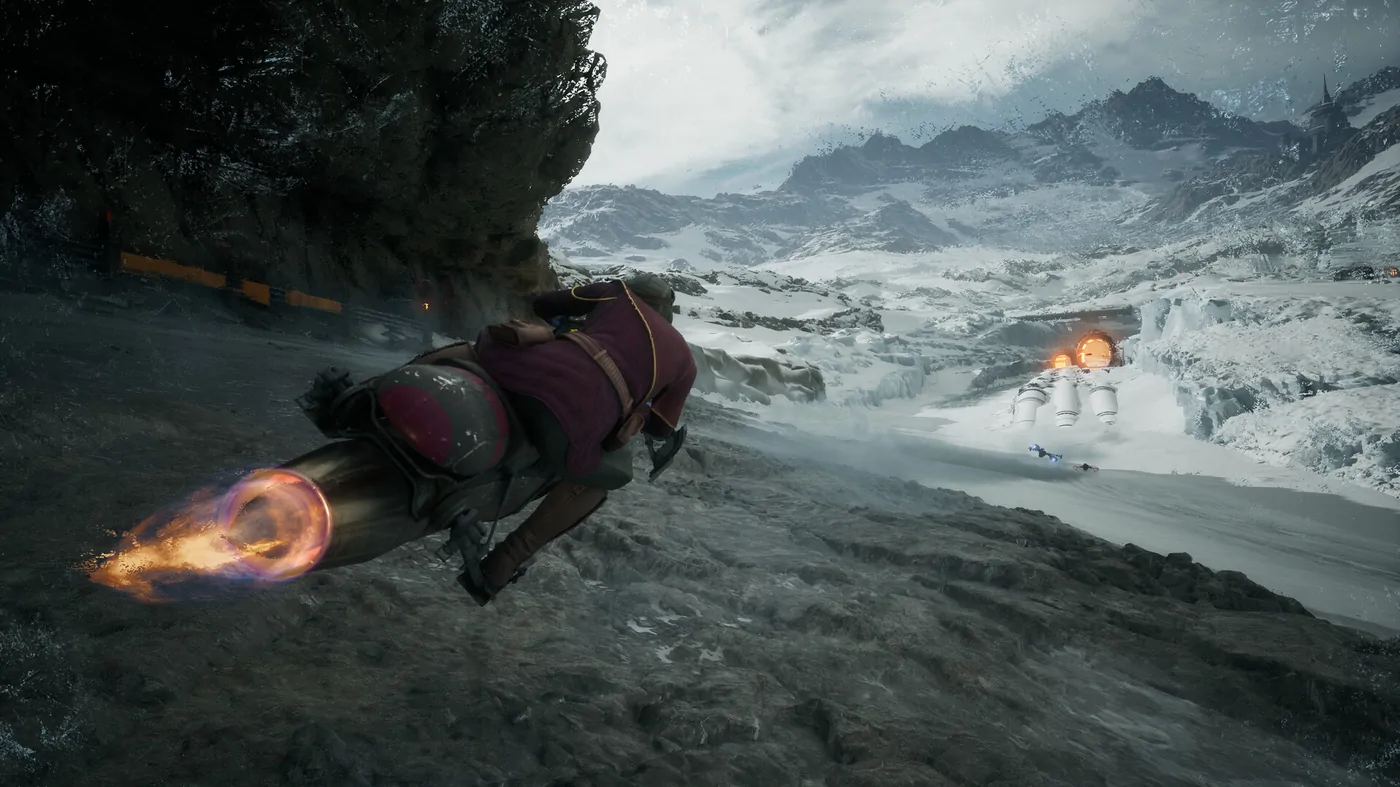
Build the party around the updated limit
Galactic Racer’s October 22 quality-of-life update increased online multiplayer party size from three players to six. This is the party limit named in the update, so it should not be confused with a separate claim about the total number of racers in every event or mode. If your group previously divided itself into smaller parties, update everyone’s game before organizing the next session and check the party screen against the new limit. The October 27 community update also confirmed that the team was continuing to work from player feedback.
Choose one person to organize invitations and agree on the session’s goal before queueing. A party practicing unfamiliar tracks needs a different approach from one trying to push competitive results immediately. Decide whether you are learning routes, testing vehicles, or simply racing together. This avoids a common group problem: half the players treating the opening race as experimentation while the others expect everyone to use a familiar setup and prioritize the result from the first corner.
Check every vehicle before the first race
The quality-of-life announcement warned that campaign vehicle customization could reset after installing the update. Open the customization screen and inspect the vehicle you intend to use instead of assuming your previous setup survived unchanged. Record the current selection, then restore choices that the game allows if something has changed. The warning concerns customization after the update; it is not evidence that all campaign progress or every unlock is lost. Diagnose what the screen actually shows before restarting anything.
Make this check part of the group routine. A player struggling to recognize their craft or its current configuration can lose useful practice time while everyone else keeps launching races. Give the group a brief setup window and confirm that each person has a known baseline. When comparing two configurations later, change one choice at a time where possible. Otherwise a different craft, altered controls, and an unfamiliar track all become mixed together, making it difficult to identify what helped or harmed your consistency.
Use the opening race to learn the tour
During the first race, focus on identifying where you lose control or arrive badly positioned for the following section. A clean finish gives you more information than a series of desperate recoveries. Notice which corners repeatedly force a correction, where traffic makes your preferred route unreliable, and which sections you can already drive consistently. Keep the observation simple enough to remember afterward. You do not need a perfect technical description of the whole circuit to improve one costly mistake.
After the race, choose a single adjustment for the next attempt. It might be entering a troublesome section more conservatively, leaving more space around another racer, or delaying a risky maneuver until the vehicle is settled. These are practice decisions rather than a claim of an undocumented fastest route. If the next race uses another track, carry forward the decision-making habit instead of copying a corner-specific action into a different environment. The useful goal is control you can repeat while racing other players.
Make joining mid-Tour a deliberate choice
The update increased credits received when joining an online multiplayer Tour in progress from 4,000 to 6,000. The number applies to the mid-Tour joining context described by the developer. It is not a promised prize for every race, a recurring bonus for repeatedly disconnecting, or proof that a player joining late has the same campaign progression as everyone else. Read the current tour and vehicle screens before spending or selecting anything, and make decisions from the resources actually shown.
If a friend arrives late, explain where the group is in the session and give them time to inspect the available options. Avoid treating their first appearance as a fully prepared benchmark against players who have already practiced the current circuit. A late join can be an opportunity to learn alongside the group, but it should not depend on an imagined credit exploit. Deliberately abandoning and rejoining also adds connection and party-management variables that make an ordinary practice session harder to keep together.
Communicate observations that help the next race
Useful group feedback is specific and limited. Tell a friend which section repeatedly caused your own loss of control, or ask them to compare the approach they used in that section. Avoid declaring a vehicle universally overpowered from one result that included collisions, an unfamiliar route, or a different level of practice. The group can learn faster by repeating a known comparison than by swapping every setup after each defeat. If you disagree about a route, test it over another suitable attempt rather than relying only on memory.
Keep race communication separate from connection troubleshooting. A stutter, disconnect, or unexpected menu exit can invalidate a comparison of driving decisions. Note that occurrence and move on to a clean run before drawing conclusions. The quality-of-life patch included party stability fixes, a PS5 connection fix, and spectator-camera transition adjustments. Those changes identify areas the developers addressed, but they do not establish that every connection problem has been eliminated or that a particular player’s network cannot still affect the session.
End each session with one repeatable improvement
Before the group stops, summarize one change you can carry into the next tour: a more controlled opening, a reliable approach to a difficult section, or a vehicle configuration that feels predictable. Keep that conclusion narrower than a claim about the best build in the entire game. A six-player session creates plenty of variation in traffic, experience, and track familiarity. Consistency across several clean attempts is more useful than one dramatic finish that you cannot explain or reproduce.
On PC, the update removed the Exit the game option from the multiplayer menu to reduce accidental quits. If you are looking for a menu action, read the current labels instead of relying on an older screenshot. When a genuine party problem persists, record the platform, action, and point of failure before using the game’s support route. Continue with keyboard preset practice if controls are the limiting factor, or browse vehicle profiles before the next group session. Keep individual practice goals small enough that a single evening gives you a clear result.